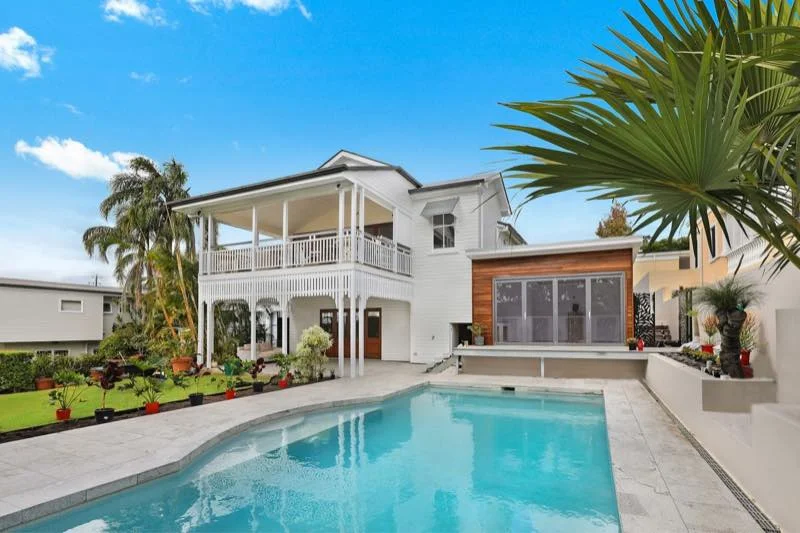
Oxnard, CA Rental strategy
Compare short, mid and long-term rentals around your goals, costs and personal-use calendar.
Get Your Free QuoteRental rules for this location
Confirm the property's jurisdiction, zoning, proposed rental term, permits, taxes and HOA or lease restrictions with the relevant authority before advertising. This page does not establish that short-term renting is permitted at your address. Request a property-specific review before selecting a rental model.
Choose a rental strategy for your Oxnard property
The right rental strategy for your home in Oxnard starts with how much flexibility you need and how much work each option involves. Compare furnished stays and long-term leasing using the same property, availability and cost assumptions.
A higher advertised nightly rate does not by itself make a better rental plan. Compare occupied periods, furnishing and utility costs, maintenance, management workload and dates you want the home available for personal use. Verify which uses are permitted at your address before choosing a model.
Long-Term Rental Management
Rental preparation, tenant placement and ongoing lease administration.
Explore this guideMid-Term Rental Management
Furnishings, utilities and lease planning for longer furnished stays.
Explore this guideShort-Term Rental Management
Listing presentation, guest communication and turnover planning.
Explore this guideWant GnG to review your Oxnard property?
Tell us about your vacant home, investment rental or self-managed property. Start with your goals and a plan for what comes next.
Rental strategy
Compare rental models using the same property costs and owner-use calendar.
- Check permitted uses and HOA or lease restrictions before comparing models.
- Model vacancy, utilities, furnishing and turnover costs separately for each term.
How to get started with your rental
- Describe the property, current occupancy, earliest availability and any owner-use dates.
- Check property condition, permitted use, insurance and HOA or existing lease restrictions with the appropriate sources.
- Compare written service scope: leasing or placement, recurring management, renewals, inspections, maintenance approvals and cancellation terms.
- Agree on pricing review, marketing, enquiry handling, access for viewings and reporting before the listing is published.
Compare your rental scenarios
Enter your own comparable rates, occupied periods and annual operating costs. These calculations stay in your browser and are not a local rent forecast. Include management, maintenance, utilities, insurance and property taxes in costs; financing and income tax are excluded.
About Oxnard and nearby locations
City data and sources
- Population
- 199,651 (2025)
- Land area (sq mi)
- 26.5
- Census place GEOID
- 0654652
Population and land area describe the community, not visitor demand, rental permissions or achievable rent. The figures below are dated Census estimates and geography measures, not current property comparables.
- U.S. Census Bureau 2025 Gazetteer Files
Reference year: 2025 · Accessed: 2026-09-04
- U.S. Census Bureau Vintage 2025 incorporated place population estimates
Reference year: 2025 · Accessed: 2026-09-04
Nearby city guides
Oxnard Property Rental & Management FAQ
What rental rules should I check in Oxnard?
Confirm the property's jurisdiction, zoning, proposed rental term, permits, taxes and HOA or lease restrictions with the relevant authority before advertising. This page does not establish that short-term renting is permitted at your address. Request a property-specific review before selecting a rental model.
Can GnG manage my property in Oxnard?
Send your property address to confirm service availability, local operating support and eligibility. Geographic coverage does not imply a local office or an active management agreement.
What should a Oxnard property management quote include?
Request a written breakdown of recurring management, leasing or placement, renewal and inspection charges, any maintenance coordination fees, owner reserves, approval limits and cancellation terms. Compare the tasks included, not only a headline percentage.
How much can I rent my property for?
Use current comparable listings and, where available, completed leases with similar location, size, condition and rental term. Asking rent is not achieved rent. Budget vacancy and expenses separately; this guide does not publish an unverified property-specific rent estimate.
What should I send for a free rental analysis?
Owner-use dates and preferred lease length; Mortgage, insurance, tax and maintenance budget
Explore More Oxnard Rental Resources
Oxnard · Vacation rental management
Vacation rentals, furnished stays and long-term leasing. Find the right approach for your home.
Oxnard · Property Management
Rental property management for long-term, mid-term, Airbnb and vacation rental owners in Oxnard, CA.
Oxnard · Short-Term Rental Management
Explore short-term rental management in Oxnard: listing preparation, guest support and turnover planning. Ask GnG to review your address and service needs.
Oxnard · Mid-Term Rental Management
Explore mid-term rental management in Oxnard: furnished leases, utilities, resident support and extensions. Ask GnG to review your property and service needs.
Oxnard · Long-Term Rental Management
Explore long-term rental management and property rental in Oxnard: tenant placement, lease administration and maintenance. Request an address-specific GnG review.
Oxnard · Free rental analysis
Explore rental options, property preparation and operating costs with a free owner consultation.
Oxnard · Rental revenue growth
Review pricing, listing quality and operating costs to identify your next improvement.
Oxnard · Self-management vs. GnG
Compare your time, responsibilities and costs before choosing how to manage your home.
Oxnard · Rent My House
From a vacant home to a rental-ready property: preparation, pricing, marketing and leasing.
Let's Plan Your Oxnard Rental
Share your property address, rental goals and available dates. Talk with GnG Vacation about a management plan for your home.