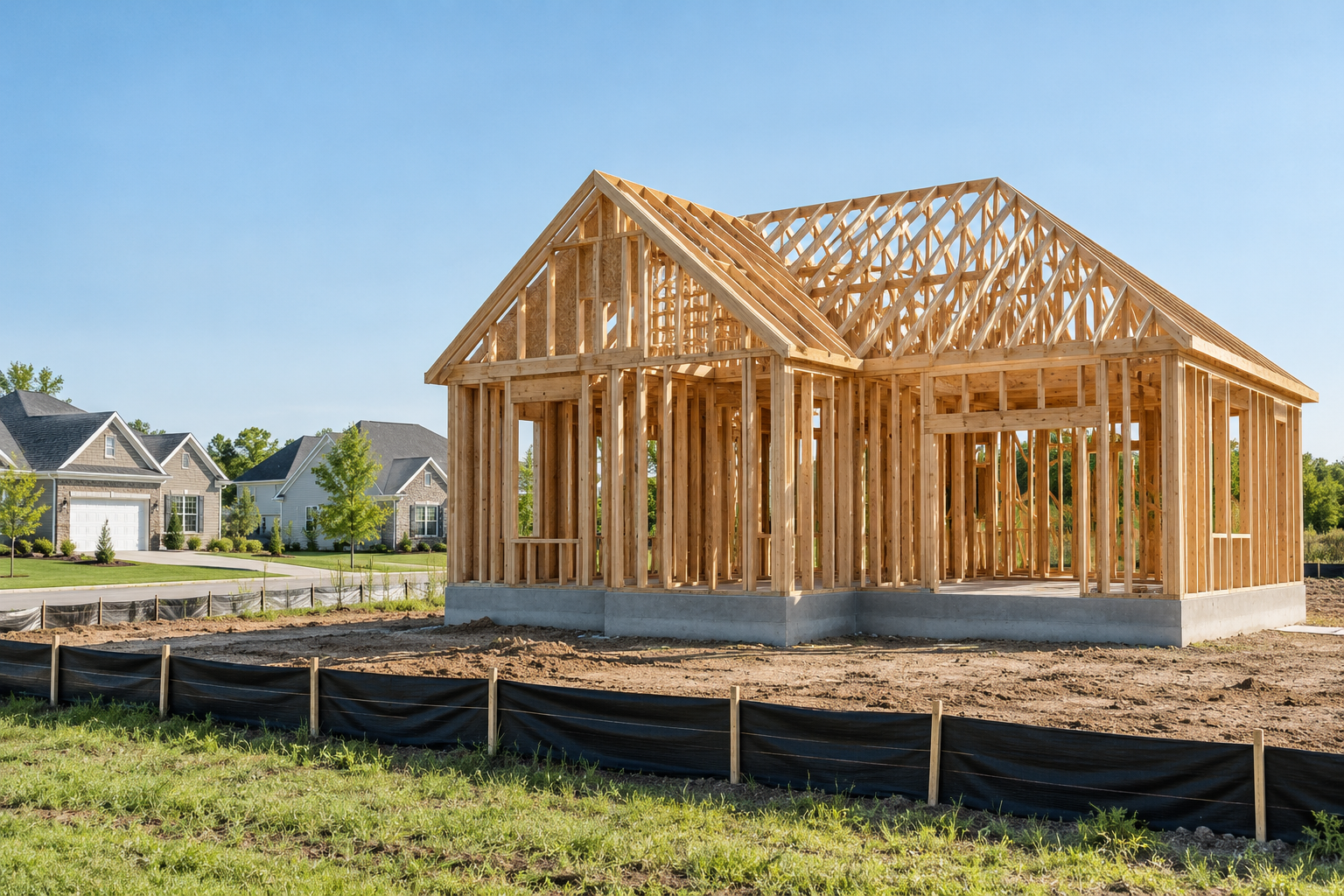
NAHB's October 15, 2026 analysis of September producer prices puts residential-construction material inputs 5.5% above September 2025 and 0.4% above August 2026. The corresponding BLS category is goods excluding foods and energy. These figures offer a useful reason to refresh an old repair estimate and ask more specific questions about what changed.
For a rental owner reviewing a turnover repair, the immediate task is to define the work being purchased. A cabinet repair, an insulation replacement and a plywood subfloor repair contain different products and different amounts of labor. The same headline will therefore have different relevance to each job.
What the national numbers measure
BLS published its September 2026 PPI release on October 15. The September observations used here are preliminary. Its conventional input indexes exclude capital investment, labor and imports. They measure price changes for inputs purchased by industries; they do not provide a complete installed price for a repair at a Southern California property.
That distinction matters when a contractor attributes a higher total to materials. Ask which product, quantity and purchasing date account for the difference. An increase in labor hours, an added demolition task or a changed finish specification should appear as its own explanation. Current local quotations provide the evidence for those project details.
Three materials, three different changes
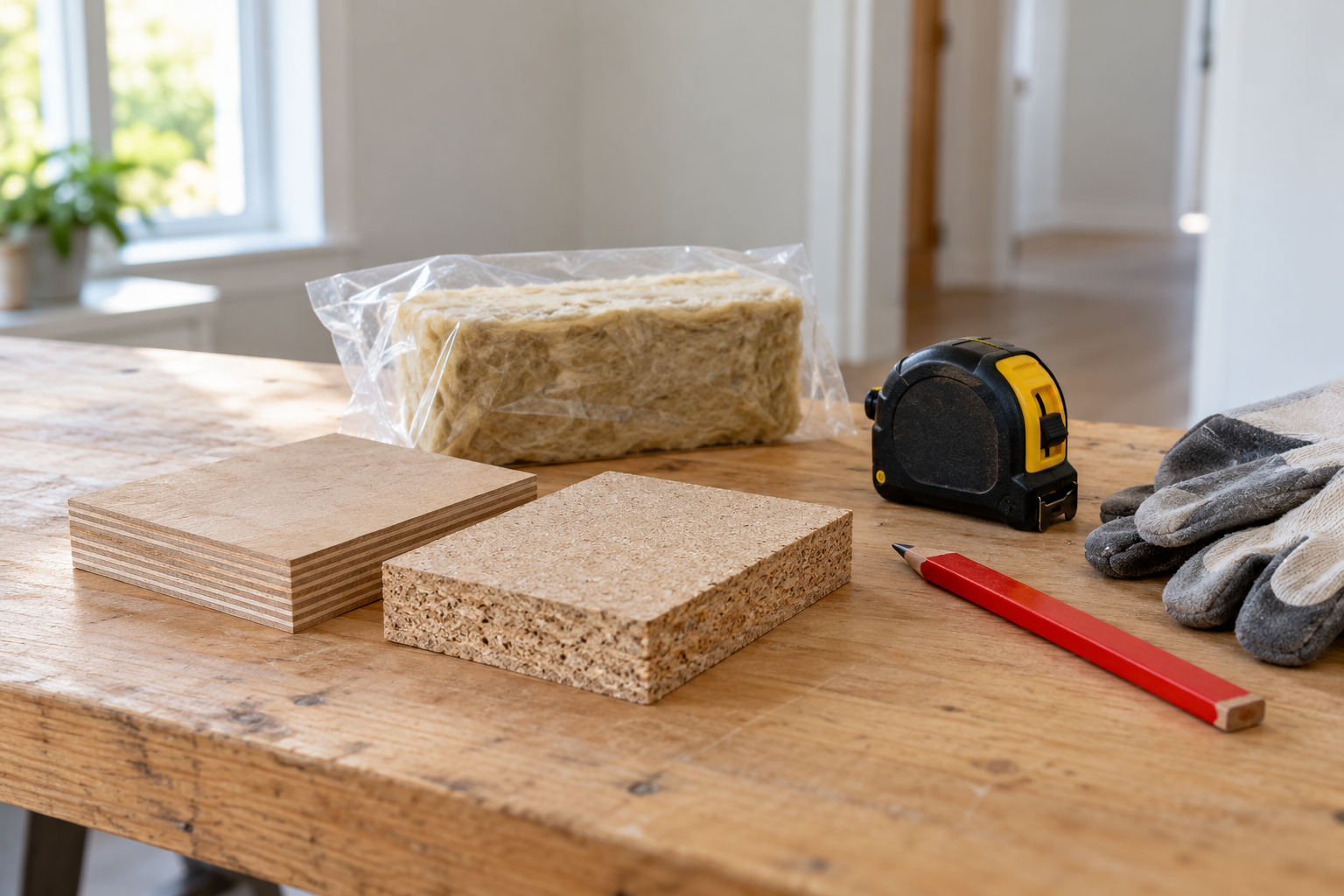
The chart uses BLS Table 7 commodity indexes for September 2026 versus September 2025, without seasonal adjustment. Softwood veneer and plywood rose 15.9%, particleboard and fiberboard 7.8%, and mineral wool for thermal and acoustical envelope insulation 1.6%. These are national product categories, covering their broader markets rather than only rental-home repairs.
Selected materials: September 2026 year-over-year producer-price change
Data source: BLS September 2026 PPI Detailed Report, Table 7
View exact values
| Period | Value |
|---|---|
| Softwood veneer and plywood | 15.9% |
| Particleboard and fiberboard | 7.8% |
| Mineral wool for envelope insulation | 1.6% |
The chart establishes that selected materials moved at different rates over the same twelve months. It does not establish the price of a finished repair, identify the cause of a supplier's increase or describe every material in a project. The three bars are selected examples, so an unweighted average would not represent a repair budget.
Use the category most relevant to the specified product as a question to investigate. If a supplier's change differs from the index, check grade, thickness, brand, order size, freight and stock availability. A difference can have a practical explanation. Obtain the current product price and keep the specification consistent when comparing it with an older quote.
Build a quote that can be compared
1. Describe the condition and the required result. Keep dated photos, the affected location and measured quantities together. State whether the request covers a localized repair or replacement of a larger area. A quote for an entire cabinet run answers a different request from a quote for one damaged panel.
2. Separate the cost lines. Request material description, quantity and unit price, plus labor, delivery, removal and disposal where applicable. Ask the provider to identify taxes, minimum charges and excluded work. This makes it possible to see whether the difference comes from prices, quantities or the scope.
3. Record the commercial details. Capture the quote date, validity period, availability, expected work duration and payment milestones. Ask what would require a revised price and how that revision would be approved. A price that depends on an unavailable product needs a different scheduling decision from one based on confirmed stock.
4. Check alternatives against the required performance. A lower-priced board or insulation product needs to meet the job's moisture, structural, thermal or acoustic requirements, as applicable. Have the qualified provider confirm suitability. Keep any accepted substitution and its effect on price, finish and timing in writing.
| Part of the quote | Useful evidence |
|---|---|
| Materials | Product specification, measured quantity and current unit price |
| Labor | Defined tasks, preparation and installation work included |
| Logistics | Delivery, access, removal and disposal responsibilities |
| Timing | Availability, work duration and the condition for returning the home to use |
Put the work beside the rental calendar
A repair decision also needs a plan for access and completion. Record the occupied or vacant status, the next confirmed arrival or lease handoff, and who will inspect the finished work. Discuss required safety or habitability work promptly with the appropriate provider; optional cosmetic work can be evaluated against an available work window.
For an optional improvement, compare complete feasible options, including the work and any property-specific time out of use. Use the home's actual calendar and documented costs. The national PPI does not supply a vacancy allowance, a future booking forecast or an estimate of the income a particular upgrade will earn.
A useful completion record includes the approved scope, changes, final invoice, relevant product information and inspection photos. Keeping those records together makes the next estimate easier to evaluate and gives the owner a clear account of what was approved and delivered.
Where GnG's management service fits
GnG's published long-term rental service includes maintenance coordination and owner updates. Owners can use a repair review to connect those services with a concrete question: what work is proposed, what needs approval, and how does the schedule fit the property?
Bring a dated scope, the latest quote and the intended leasing date to that discussion. Ask for a comparison that shows any change in specification, price or timing. This is a practical way to turn an inflation headline into an informed property decision.
Sources and periods: NAHB analysis, October 15, 2026; BLS September 2026 Detailed Report, Tables 7 and 14. Chart figures compare September 2026 with September 2025; preliminary and not seasonally adjusted. https://eyeonhousing.org/2026/10/building-material-price-inflation-nears-four-year-high/
BLS data: https://www.bls.gov/ppi/detailed-report/ppi-detailed-report-september-2026.pdf
BLS methodology: https://www.bls.gov/opub/hom/ppi/concepts.htm
GnG service scope: https://www.gngvacation.com/services/long-term