Zillow's report released October 15, 2026 puts September rental interest in Southern California on an upward path. Its Zillow Observed Renter Demand Index (ZORDI) rose 25.9% year over year in the Los Angeles metro, 26.9% in Riverside and 29.1% in San Diego. The comparison is September 2026 against September 2025.
For an owner reviewing an autumn vacancy, that creates a useful question: can someone who likes the listing get a clear answer, arrange a viewing and understand the next step? More market attention makes the quality of that process worth examining. The recommendations below are an owner review framework, with no assumed results for a GnG property.
Read the signal at its actual scale
Zillow describes ZORDI as a regional indicator derived from engagement with rental listings on its platform, with smoothing to reduce volatility. It offers evidence about observed market interest. A property's enquiries, completed viewings, executed lease and rent received each need their own records.
The chart uses the three metro rows in Zillow's September report. The percentages are annual changes in the index. They are neither index levels nor shares of homes occupied. Metro boundaries also cover much more ground than an individual city or neighborhood.
Rental listing interest: September 2026 annual change in ZORDI
Data source: Zillow Research — September 2026 metro table
View exact values
| Period | Value |
|---|---|
| Los Angeles metro | 25.9% |
| Riverside metro | 26.9% |
| San Diego metro | 29.1% |
All three selected metros show growth. The chart cannot establish how many renters will contact a particular house, how quickly it will lease or what rent it will achieve. Comparing growth rates also does not rank the absolute number of interested renters. An owner still needs current alternatives near the property, matched for home type, condition, size and lease terms.
Use this regional evidence to sharpen the questions in a vacancy review. A specific price change needs evidence about that listing and its alternatives; a regional percentage alone cannot set the amount.
Make the listing answer the next question
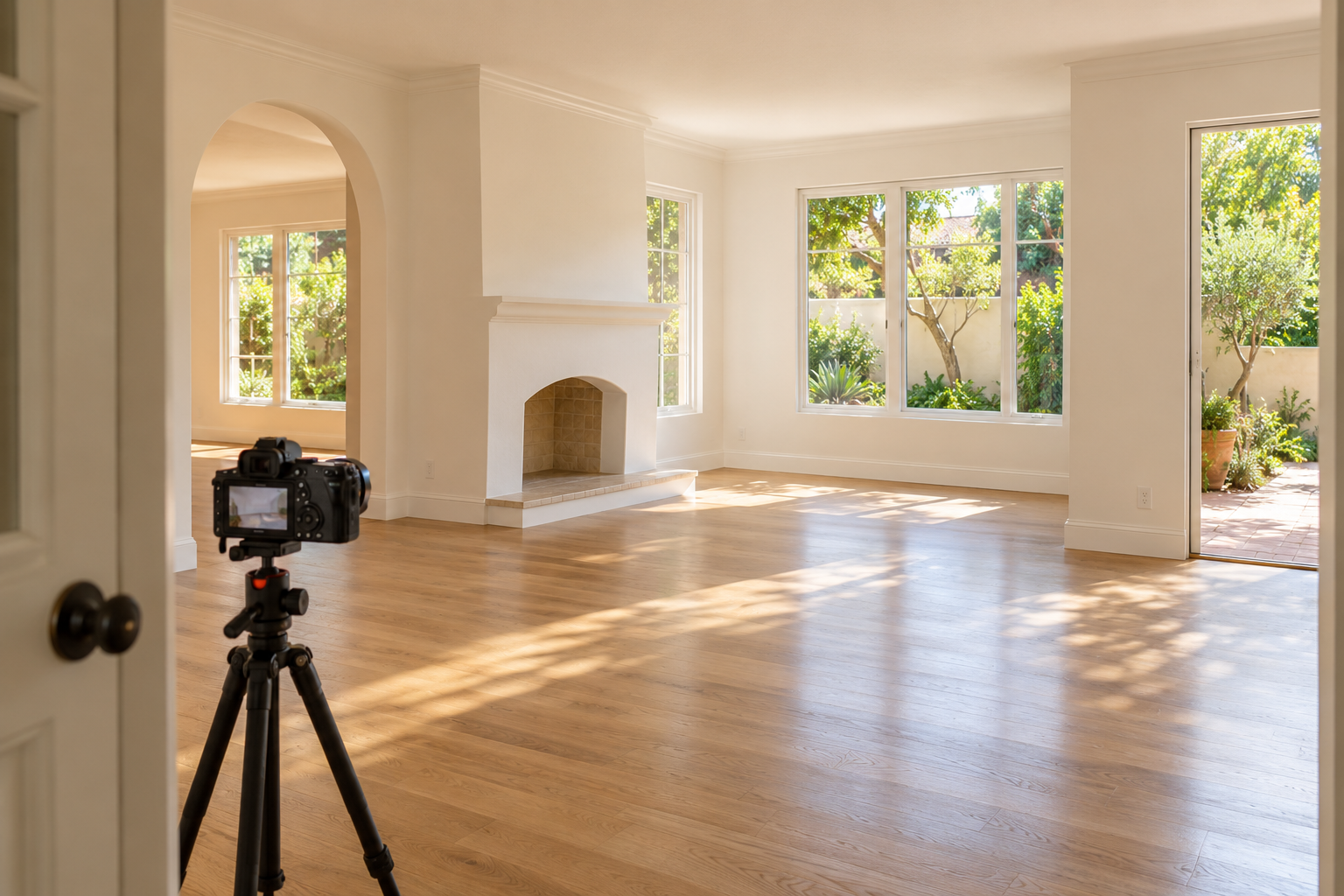
A useful listing lets someone decide whether a viewing makes sense. Check that photos show the current condition, room connections and usable spaces. Confirm the advertised move-in date, lease duration, parking arrangements and included items against what can actually be offered. Clear information reduces the need to chase the same answers across messages.
For furnished homes, describe the furnishings that will be present at move-in. For an unfurnished home, make that condition obvious. Keep long-term leasing evidence separate from vacation-stay enquiries and nightly bookings: the duration, obligations and decision process differ. A rise in residential rental interest provides context for reviewing a long-term listing; it does not establish demand for a particular short stay.
Then check the contact path yourself. Submit a normal enquiry through the advertised channel and follow the route to the person arranging viewings. Record where an answer becomes unclear or a promised next step has no owner. Fix a broken handoff before drawing conclusions from the volume of messages.
Review four observable stages
Use a consistent date window and property identity. A small table can make the discussion more useful than a single total labelled leads.
| Stage | Record | Decision it can support |
|---|---|---|
| Enquiry | Distinct enquiry and requested move-in timing | Whether the advertised offer is clear |
| Viewing | Appointment offered and viewing completed | Whether scheduling creates friction |
| Application | Application received and status recorded | Whether the next step is understood |
| Lease | Execution date, start date and agreed terms | Whether a commitment has been completed |
Deduplicate repeat messages using the same definition each period. A follow-up from one household should not become a new prospect simply because it arrives through another channel. When comparing stages, follow the same group of enquiries far enough to see their outcomes. Viewings completed this week may belong to enquiries from an earlier week.
Record concrete reasons when the prospect provides them: a date mismatch, a different lease duration, an unavailable viewing time or a question about included items. Leave the reason unknown when there is no evidence. Avoid filling the gap with assumptions about who the renter is or what they can afford.
Match the response to the observed gap
If enquiries arrive but appointments remain unconfirmed, review the available viewing windows and the clarity of the reply. If viewings happen but applications do not follow, compare the advertised condition and terms with what visitors actually encounter, then review current comparable listings. Several explanations can fit the same symptom; change one relevant part and keep a dated record of the response.
Review pricing alongside the whole offer. Lease duration, readiness, included services and any incentive affect what a prospect is evaluating. Keep the asking terms, the terms offered during negotiation and the executed lease distinguishable in owner reporting. That gives the next review a factual starting point.
There is no universal conversion benchmark in the three ZORDI figures. Choose a review interval that allows the property's enquiries to progress, record any changes, and compare like periods. The useful outcome is a better-supported leasing decision and a clear next action for the person responsible.
Where GnG's service fits
GnG Vacation's current long-term service page lists leasing, screening, contracts, maintenance coordination and owner reporting. Those service areas connect naturally with an owner's review of readiness, follow-through and the final lease. The stage table above is a suggested review tool, rather than a claim about a proprietary GnG dashboard or a promised leasing result.
Bring the property's current condition, availability, proposed lease terms and recent enquiry history to a rental assessment. That gives the discussion enough detail to evaluate realistic positioning and the operational work required.
Sources
Zillow Research, September report, released October 15, 2026: https://www.zillow.com/research/september-2026-rent-report/
Zillow's dated corporate release and corroborating metro table: https://investors.zillowgroup.com/news-and-events/news/news-details/2026/Rental-demand-is-up-20-as-high-lending-costs-stifle-the-for-sale-market/default.aspx
Zillow housing data definitions, including ZORDI: https://www.zillow.com/research/data/
GnG Vacation's current long-term service scope: https://www.gngvacation.com/services/long-term