
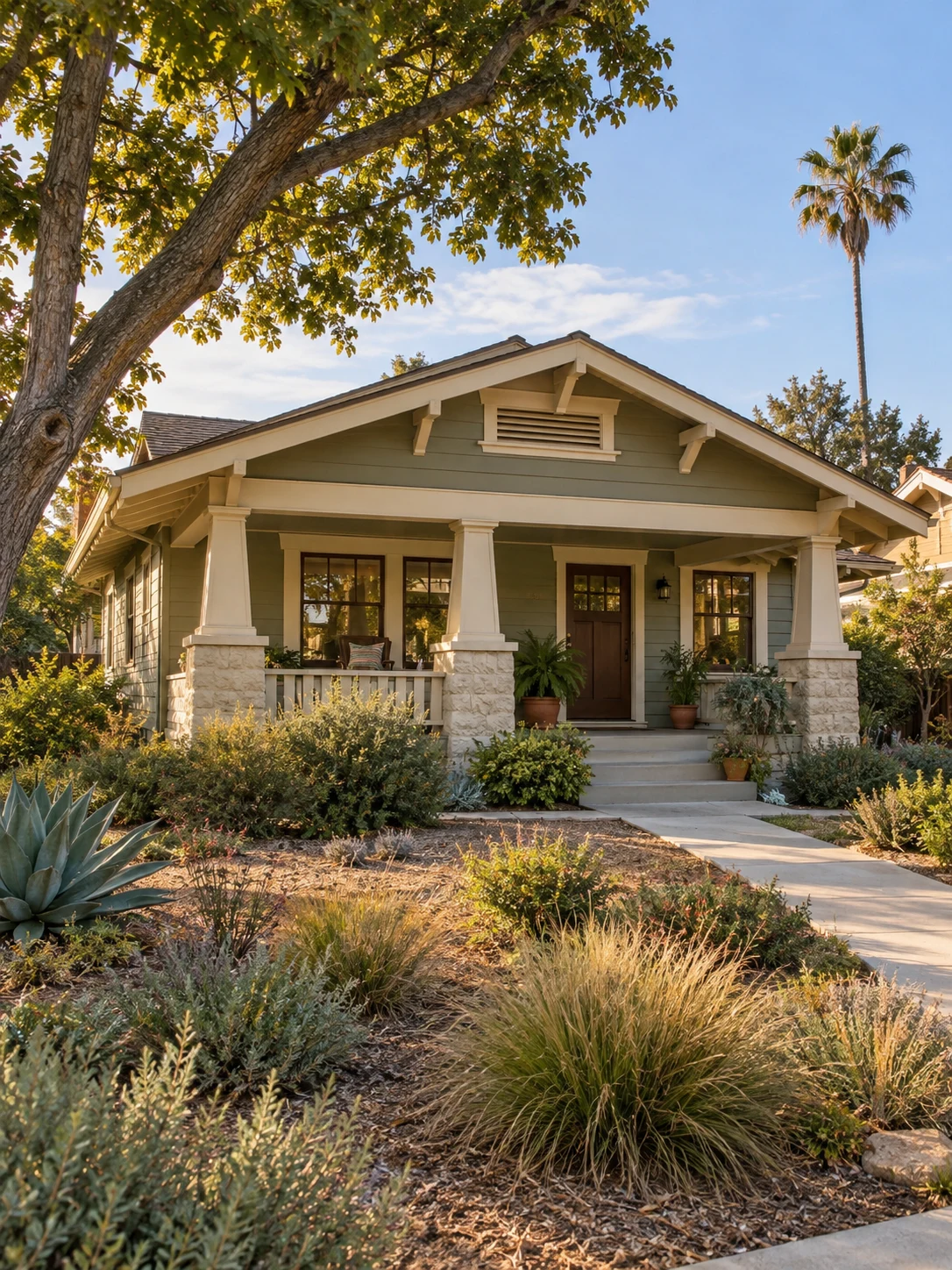
The right rent starts with your home.
A citywide average is a starting point for research. It can’t tell you what a specific house should rent for. Your floor plan, condition, outdoor space, included utilities and proposed lease term all belong in the comparison.
Build a short list of similar available homes, document the differences, and choose a starting price with a review plan. Keep asking rents separate from confirmed leased rents.
For a Pomona home, start with the property’s actual location and type. A detached house, a condo and an ADU should have separate comparison sets. Nearby Walnut or La Verne listings can add context when their features and lease terms match.
Choose homes a renter would compare with yours.
Save the listing date and source for each comparable. Record what is included in the rent, then make the differences visible before deciding what they mean for your home.
An asking price shows what an owner is requesting. A dated, confirmed lease provides different evidence. Don’t combine them into one unexplained “market rent.”
Set a starting price.
Decide how you’ll review it.
Pricing is one part of getting a home rented. Photos, an accurate description, accessible showings and timely responses affect how well you can learn from the listing’s performance.
- 1
Document the offer
Confirm the rent, lease term, included items and property condition. Keep a dated copy of the listing.
- 2
Track the whole leasing funnel
Watch inquiries, scheduled showings, completed visits and applications. Low inquiry volume and a lack of applications after visits point to different questions.
- 3
Review the evidence together
Recheck comparable listings, presentation and viewing feedback before changing the price. Keep a record of each adjustment.
What could you keep after costs?
Use this planning worksheet to explore your own assumptions. Include property tax, insurance, HOA, maintenance and owner-paid utilities in operating costs as applicable.
See how this is calculated +
- Scheduled annual rent
- $45,600
- Less vacancy allowance
- −$2,280
- Less management allowance on collected rent
- −$2,599
- Less other operating costs
- −$7,800
These inputs are examples, not Pomona market data or a GnG quote. This worksheet excludes costs you haven’t entered, financing and income tax. It does not predict occupancy or returns.
Before the “for rent” sign.
A workable rental plan includes the preparation and follow-through. Use this checklist to see what you have covered and what still needs attention.
Use Pomona’s official housing resources and current California guidance to identify what applies to your address. Lease terms and rent changes need a property-specific review.
Pomona housing resourcesA few things worth asking.
Should I use the average Pomona rent to price my house?+
Use it only as context. A comparison set matched to your home type, condition, included costs and proposed lease is more useful for a property-specific pricing decision.
Is furnished rent directly comparable with an unfurnished lease?+
Compare the lease term, furniture, utilities, turnover work and other included services first. A higher monthly asking price doesn’t automatically mean higher income after costs.
What if the house receives views but no applications?+
Review showing feedback, the home’s condition, the complete offer and your application process. Keep the criteria consistent and check current fair housing guidance. Don’t assume price is the only issue.
Can I hand over just the leasing work?+
Ask for a written scope that separates preparing and marketing the home, screening and move-in from ongoing rent collection, maintenance, reporting and renewals. Discuss which work you want help with.